
Trackman vs Foresight Simulator: Which Fits?

If you are comparing a trackman vs foresight simulator, you are probably past the casual browsing stage. This is usually the point where buyers want to know which system will actually fit their space, practice goals, and budget without regrets six months later. That is the right question, because Trackman and Foresight are both premium names, but they solve the simulator experience in different ways.
For most buyers, this is not really about which brand is "better" in the abstract. It is about whether you want a radar-first system that shines in the right environment, or a camera-based system that often gives more flexibility indoors. The answer changes depending on whether you are building a serious home practice studio, a family entertainment room, or a commercial venue that needs dependable daily use.
Trackman vs Foresight simulator: the real difference
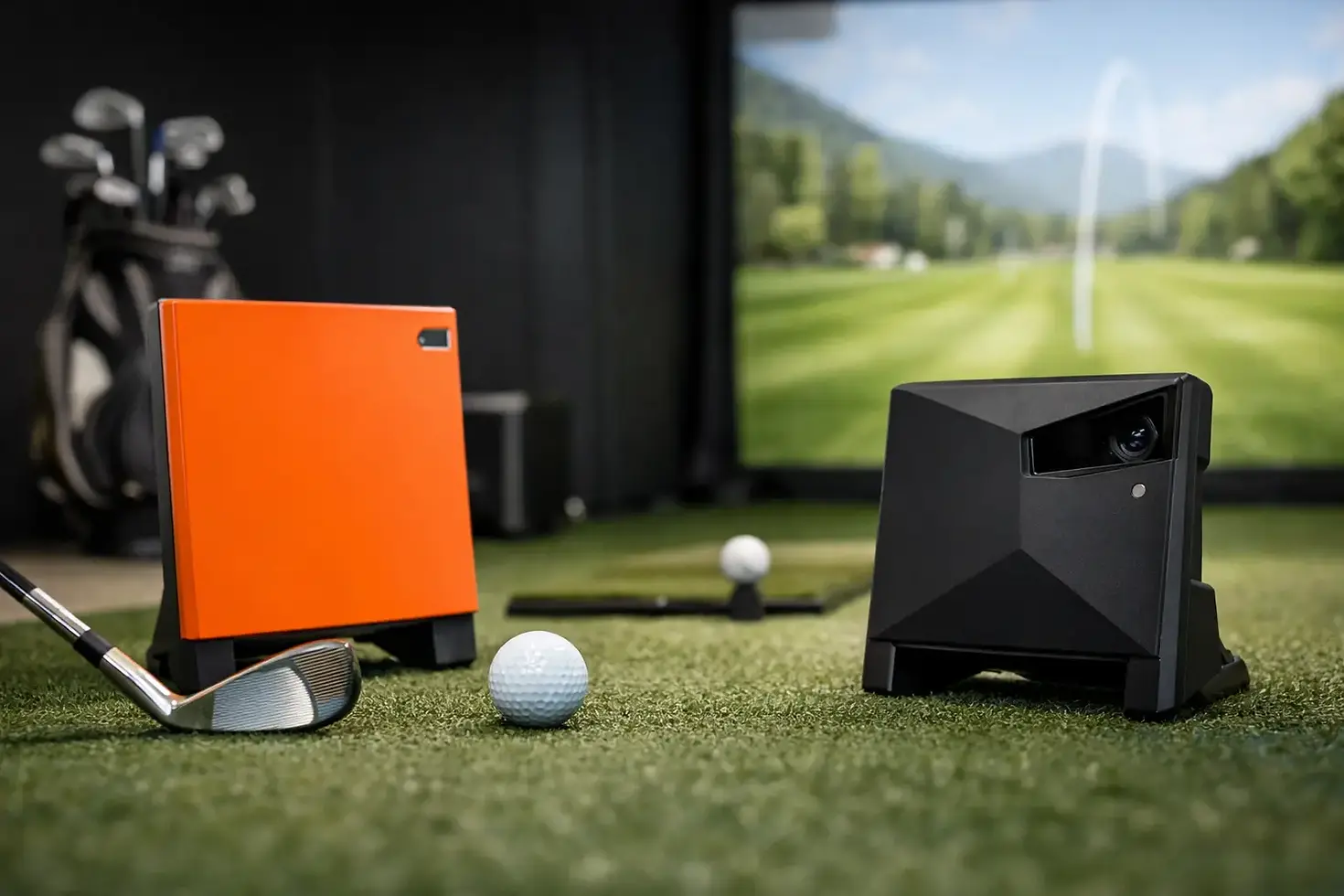
The biggest difference between these platforms starts with how they measure the golf ball and club. Trackman is built around radar technology. Foresight is known for high-speed camera-based photometric tracking. That difference affects room design, data capture, and how the simulator performs in specific settings.
Trackman has a strong reputation in outdoor fitting, instruction, and elite player development because radar excels at tracking full ball flight. When you have enough space and a clean setup, that can translate into a very powerful indoor simulator experience. Foresight systems, on the other hand, are often favored for indoor environments because camera-based launch monitoring captures the ball right at impact and does not rely on as much ball flight distance.
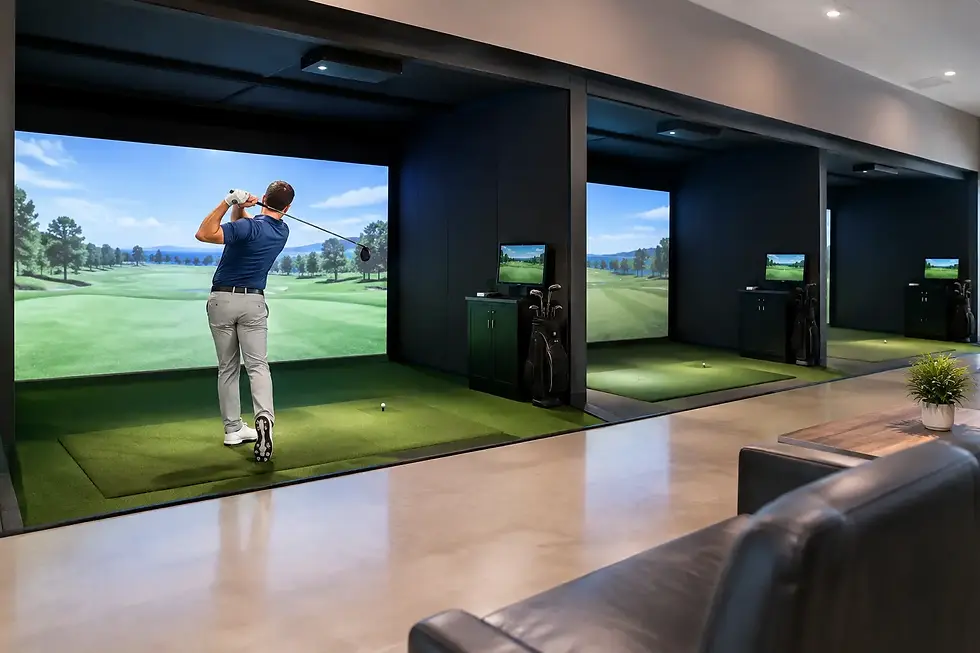
That distinction matters more than many buyers realize. A simulator is not just a launch monitor on a mat. It is a full room, with ceiling height, depth, screen placement, hitting location, lighting, computer hardware, and user flow all affecting the final experience.
Indoor space requirements can tip the decision
If your simulator room is tight, the trackman vs foresight simulator conversation usually leans toward Foresight. Radar systems generally want more depth behind and in front of the player to read shots as intended. Camera-based systems are often easier to integrate into compact home rooms, basement builds, or garage setups where every foot counts.
That does not mean Trackman cannot work indoors. It can, and when the room is designed properly, it can be excellent. But it does mean the room has to cooperate. If your available space is borderline, trying to force the wrong technology into it can create compromises in performance and user experience.
This is one of the most common mistakes buyers make. They choose the brand first and ask whether it fits the room later. In practice, the room should help narrow the brand decision.
Why room design matters as much as launch monitor specs
A premium simulator system only performs like a premium system when the environment supports it. Ceiling height affects comfort and club freedom. Room depth affects radar performance and screen safety. Side clearance affects confidence, especially for newer golfers or left-right handed households.
That is why custom planning matters. A launch monitor may look perfect on paper, but if the room forces awkward hitting positions, poor projector alignment, or traffic flow problems, the whole system feels less polished than it should.
Accuracy, data, and what kind of golfer you are
Both Trackman and Foresight are trusted for serious data, but the kind of golfer using the data should influence the purchase. If you are a competitive player, instructor, or fitter who values deep ball flight analysis and a platform widely used in professional environments, Trackman has obvious appeal. Its brand recognition is strong for a reason.
Foresight appeals to a slightly different but equally serious buyer. Many players want highly reliable indoor performance, detailed impact and ball data, and a setup that works cleanly in a dedicated home simulator room. That makes Foresight especially attractive for homeowners who care about practice quality but also want a system that integrates smoothly into the space they actually have.
For a lot of households, the right choice comes down to how often the simulator will be used for focused training versus mixed use. If the room will host practice sessions, family entertainment, casual rounds with friends, and year-round convenience, the best system is the one that performs consistently in that environment without asking the user to work around it.
Software experience and everyday use
Launch monitor performance gets most of the attention, but daily enjoyment often comes down to software and usability. Buyers tend to remember whether the simulator starts quickly, reads shots consistently, presents data clearly, and feels intuitive for guests.
Trackman offers a polished ecosystem with strong practice and course play appeal. Foresight also has a respected software environment, particularly for players who want solid simulation and data tools in an indoor-first setup. The better fit depends on what matters most in your day-to-day use.
For commercial buyers, this becomes even more important. A bar, restaurant, golf facility, or 24/7 simulator business needs a system that customers can use without confusion and staff can support without constant troubleshooting. That is why the best buying decision is rarely just about launch monitor specs. It is about the full operating experience.
Home use vs commercial use
Residential buyers and commercial buyers often land in different places when comparing Trackman and Foresight. In a home, priorities usually center on room compatibility, ease of use, noise management, visual finish, and getting the best practice and entertainment mix for the investment.
In a commercial setting, throughput, durability, customer appeal, and repeatability matter just as much. A commercial simulator has to work for a wide range of players, from skilled golfers to first-time users. It also needs to make sense financially over time.
That is where system design becomes more valuable than brand hype. A great commercial room is not built by dropping premium equipment into a space and hoping for the best. It needs proper enclosure planning, projector brightness, impact surface quality, computer performance, and user-friendly layouts.
Which brand makes more sense for business owners?
It depends on the business model. If your operation is built around instruction, fitting credibility, and a premium training image, Trackman may carry extra value. If your priority is dependable indoor play in a variety of room sizes and use cases, Foresight may be the cleaner fit.
Neither choice should be made in isolation. The monitor, software, enclosure, projector, turf, and install quality all influence whether the final simulator feels premium enough to justify the investment.
Cost is not just the launch monitor price
One reason the trackman vs foresight simulator debate can get confusing is that buyers compare sticker prices without comparing system costs. The launch monitor is only one part of the project. Your real investment includes design, build quality, mounting and placement strategy, impact screen quality, projector selection, gaming or simulation computer, hitting mat, turf integration, and installation.
That is why a lower upfront number does not always create better value. If one system fits your room more naturally, avoids compromises, and reduces install complexity, it may become the smarter buy even if the hardware price alone looks higher or lower on paper.
Long-term value matters too. A premium simulator should feel dependable every time you turn it on. It should support your goals, fit your space cleanly, and hold up to real usage. A system that creates frustration, misreads, awkward positioning, or room limitations is expensive even if the original quote looked attractive.
The best choice depends on your room and goals
If you have a larger room, want a radar-based platform, and value the Trackman ecosystem for serious training or brand recognition, Trackman can be the right call. If you want a premium indoor-first solution with more flexibility in space planning, Foresight is often a very strong answer.
That is why the best process starts with your environment, not just your wishlist. Room dimensions, player type, left and right handed use, commercial traffic, software expectations, and budget all need to be considered together. When those details are handled early, the final recommendation usually becomes much clearer.
At Green Pro Golf Simulators, that is how projects are approached - by fitting the technology to the space and the end user, not forcing a one-size-fits-all answer. Buyers who take that route usually end up happier because the system works the way they hoped it would from day one.
If you are deciding between these two brands, the smartest next step is to look hard at your room, be honest about how the simulator will really be used, and choose the platform that fits the full project instead of just the logo on the launch monitor.

Comments