

Is Golf Simulator Worth It? A Real Cost Check

A lot of buyers ask the same question after seeing a clean garage build or a full commercial bay in action: is golf simulator worth it? The honest answer is yes for the right user, space, and setup - and no if the system does not match how you actually plan to use it. The real decision is less about whether simulators work and more about whether the value you get from one justifies the investment.
That value can show up in different ways. For one buyer, it is year-round practice without weather delays. For another, it is a home entertainment space that gets used every week. For a business owner, it may be about attracting traffic, extending customer dwell time, or creating a new revenue stream. The simulator is the same category of product, but the return depends on the goal.
Is golf simulator worth it for home use?
For many homeowners, the biggest advantage is consistency. If you live in a climate with long winters, limited daylight, or unpredictable rain, an indoor setup removes the scheduling friction that usually gets in the way of practice. You can hit balls before work, play nine holes after dinner, or work on gapping without making a tee time or driving to the range.
That convenience matters more than people expect. A golfer who practices 20 to 30 extra minutes several times a week often gets more benefit than someone who plans long practice sessions but rarely has time to follow through. When the simulator is a few steps away, usage tends to go up.
There is also a strong entertainment case. A well-designed simulator room can do more than support practice. It can become a place for family game nights, casual rounds with friends, sports viewing, and multi-use recreation. Buyers who want both performance and lifestyle value often find the investment easier to justify because the room serves more than one purpose.
The trade-off is upfront cost. A quality home simulator is not a small purchase, especially if you care about accurate ball data, strong visuals, and a clean install. If you only play a few times a year and do not practice much now, the convenience alone may not be enough to make it worthwhile. But if you are already spending regularly on range sessions, greens fees, club fittings, or winter golf alternatives, the math starts to look different.
When the return is obvious
A golf simulator usually feels worth it fastest for the buyer who already knows they will use it. That includes avid golfers who want feedback at home, families who entertain often, and players who want to keep their swing moving year-round. It also includes people building out a basement, garage, or bonus room and looking for a centerpiece that adds everyday use rather than occasional novelty.
In those cases, the simulator is not just equipment. It becomes part of the routine. That is where satisfaction tends to be highest.
When the answer is maybe
If your primary reason is that simulators look fun, but you are not sure how often you will play, it is smart to slow down and think through usage. Many disappointing purchases come from buying too much system for too little use or choosing a setup that does not fit the room properly.
A low ceiling, poor projector placement, limited depth, or rushed component choices can reduce the experience fast. The lesson is not that simulators are not worth it. It is that a custom-fit design matters. A properly planned build in the right space will usually outperform a larger budget spent in the wrong one.
What makes a golf simulator worth the money?
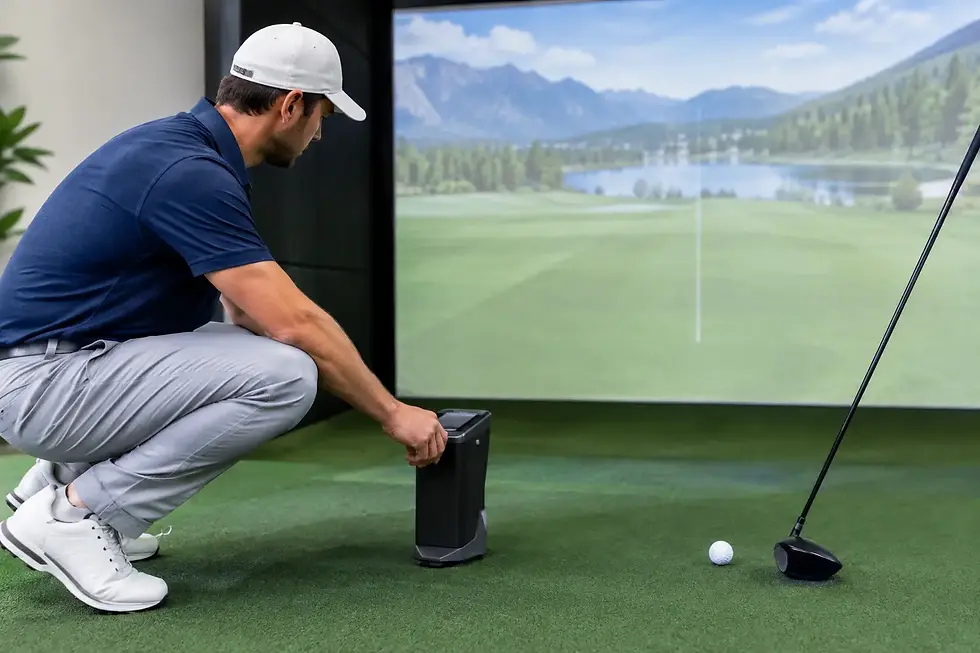
Accuracy is a big part of the answer. If you are buying a simulator for practice, the data has to be dependable. Launch monitor quality, ball tracking, club data options, and software performance all affect whether sessions help your game or just entertain you. Premium systems cost more, but they also deliver the feedback serious players expect.
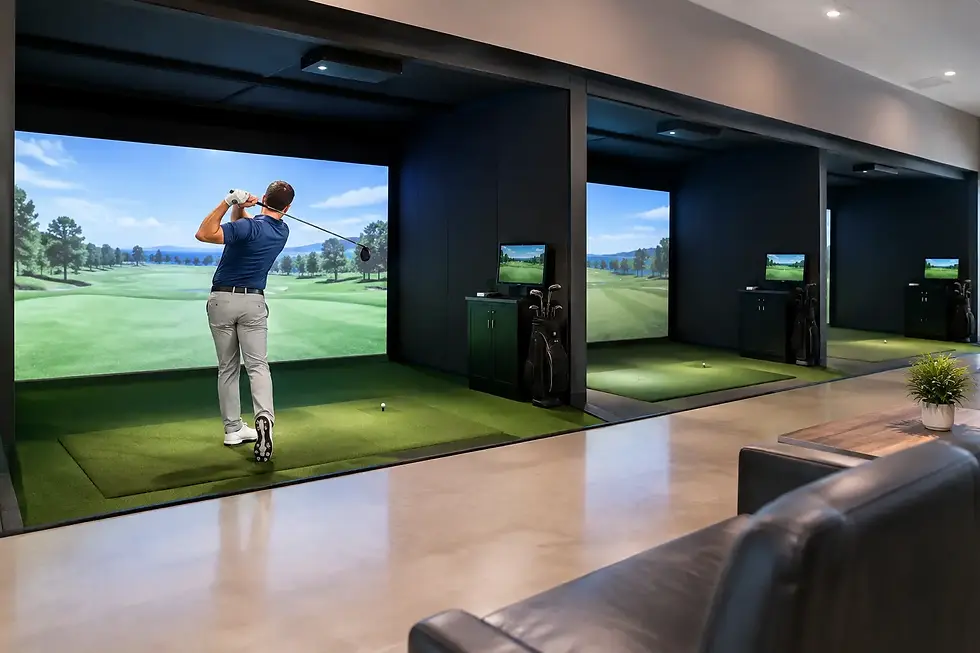
The room itself matters just as much. Screen size, impact surface, hitting area, projector choice, computer power, enclosure quality, and lighting all affect the feel of the experience. This is why buyers often underestimate the value of professional planning. The best results usually come from a system designed around the exact dimensions, player profile, and intended use of the space.
Support also carries real value. When you invest in a simulator, you are buying more than a launch monitor and a mat. You are buying a complete environment with technology that needs to work together. If something needs adjustment, updates, or troubleshooting, good support saves time and frustration.
Is golf simulator worth it compared to range and course costs?
If you golf often, this is where the argument gets stronger. Range sessions, winter leagues, lessons, off-season practice memberships, and regular rounds add up quickly. A home simulator does not replace the course completely, and it should not. But it can reduce wasted practice time, make improvement more measurable, and lower the cost of staying sharp during the off-season.
For some households, there is also a travel and time savings factor that matters as much as dollars. If a one-hour practice session normally requires 30 minutes of driving each way, that barrier keeps usage low. At home, that same session becomes realistic on a weekday.
That said, not every value calculation should be framed as strict payback. Some buyers want the same kind of return they expect from a piece of fitness equipment, a home theater, or a backyard entertaining feature. If you will use it consistently and enjoy having it, that is part of the return too.
Is golf simulator worth it for a business?
For commercial buyers, the question shifts from personal value to revenue potential, customer experience, and operational fit. In the right setting, the answer can be a clear yes.
Bars and restaurants can use simulator bays to increase dwell time and create a reason for customers to come in during slower periods. Golf courses and teaching facilities can expand instruction, club fitting, and off-season engagement. Schools and training environments can create structured practice options. Dedicated simulator businesses can build an entire model around hourly bookings, memberships, leagues, and events.
The key is that commercial ROI depends heavily on reliability and layout. A business cannot afford frequent downtime, awkward bay spacing, or a setup that feels cheap to the end user. Commercial environments need durable components, smart traffic flow, and technology that performs day after day. They also need a design that matches the business plan. A single premium bay for high-end lessons is a different project than a multi-bay entertainment venue.
This is where working with an experienced partner becomes important. Companies like Green Pro Golf Simulators help buyers align technology, room design, and installation with the real use case so the final system performs the way the business needs it to.
The biggest mistake buyers make
The biggest mistake is treating all simulators as interchangeable. They are not. Two builds can both be called golf simulators while delivering completely different experiences in accuracy, durability, graphics, feel, and long-term satisfaction.
The second mistake is buying around a headline price instead of total value. A lower number can look attractive until compromises start showing up in the hitting area, image quality, computer performance, or support after install. In most cases, the better question is not how cheaply you can get a simulator. It is how well the system fits your goals, your players, and your space.
So, is golf simulator worth it?
If you are a committed golfer, a homeowner building a high-use entertainment space, or a business creating a premium customer experience, a golf simulator is often absolutely worth it. It delivers convenience, more consistent practice, and a level of access that outdoor golf cannot match every day of the year.
If your space is limited, your usage is uncertain, or your expectations do not match the budget, the answer may be more conditional. That does not mean you should walk away. It means the project should be planned carefully, with the right equipment and a realistic view of how the system will be used.
The best simulator investments are not the flashiest ones. They are the ones that fit the room, fit the player, and keep getting used long after the install is done. If you start there, the value tends to be pretty clear.

Comments